‘Leading by example: The story of Wolves’ managers and captains’ by club historian, Pete Crump
Throughout Wolves’ 150-year history, there has been an incredible impact made on the club by a range of individuals.
Many of those individuals have been outstanding captains, managers and staff who have led the Old Gold through the good times and the bad and shaped the club into what it is today.
Although we cannot feature everyone in this latest piece, we aim to highlight as many as possible and bring to life those who have led the team on and off the field.
Wolves’ first heroes
There were several influential figures in the club’s formative years, particularly during its creation. The two Jacks, Jack Baynton and Jack Brodie, possessed the initiative and determination necessary to establish St Luke’s FC, which of course later became Wolverhampton Wanderers.
Bringing people together, organising players, and laying the foundations of a new club required vision and leadership qualities that both men clearly demonstrated. Baynton’s leadership extended onto the pitch too, captaining Wolves to their first-ever trophy success, the Wrekin Cup, in 1884.
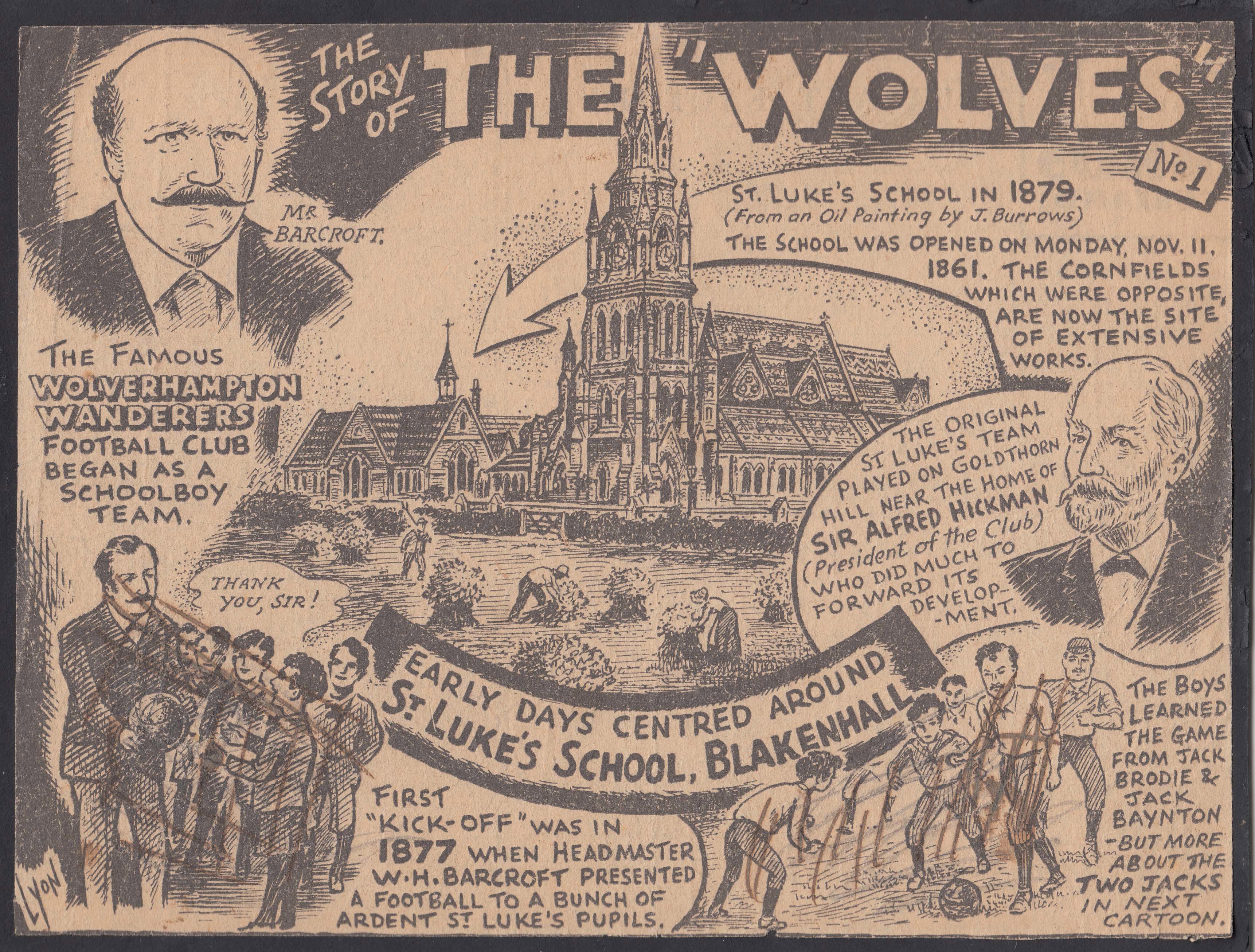
While Brodie and Baynton are rightly recognised as the founders of Wolves, they were supported by several other important individuals who played key roles in its early development such as our first-ever manager/secretary George Worrall and Harry Barcroft, the headmaster of St Luke’s School. In his role as a mentor, it was Barcroft who first encouraged Brodie and Baynton to kick a ball around at break times, igniting their passion for the beautiful game.
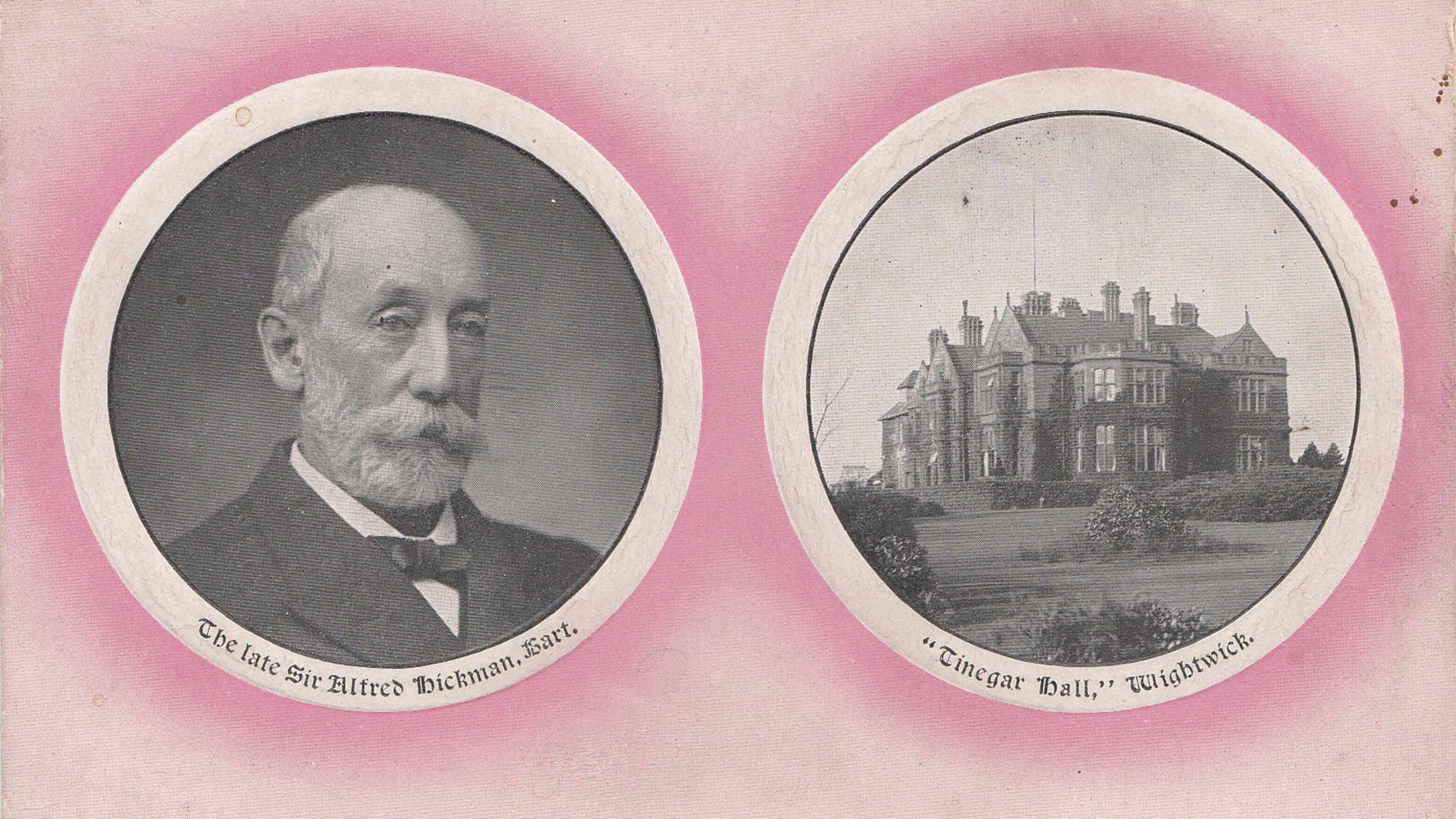
Another key figure in the club’s early history was Sir Alfred Hickman. As a prominent colliery owner, ironmaster and local businessman from the Goldthorn Hill area, Hickman was one of the most influential men in Wolverhampton during his time.
It is believed that Baynton and Brodie approached him for financial support as early as 1875, reflecting both their ambition and the respect Hickman commanded. In many ways, he can be regarded as Wolves’ first benefactor as Hickman was involved from the outset, serving as club president from 1879 to 1910, and is even thought to have owned Windmill Field, the venue for Wolves’ first ever recorded match.
There were two other key benefactors in the early years of Wolves. One was Jeremiah Mason, owner of the Kings Arms pub, who provided the club with meeting rooms and changing facilities for the players. The other was Levi Johnson, who owned the Ring O’Bells pub near to the Dudley Road ground. Johnson allowed the club to use his pub for changing facilities and meals after games for a period. Johnson was a significant figure in providing the finance for the development of the Dudley Road Ground, where Wolves played from 1881 to 1889, our home prior to the move here to Molineux.
Another early leader was, without doubt, Jack Addenbrooke who had been around from the very start. Though Addenbrooke never played for the first-team, he was a forward for the reserves. He would eventually go on to become our longest-serving manager and was in the role from August 1885 until June 1922.
Addenbrooke was our first-ever paid manager/secretary in a time when the two roles were combined and during his record 37 years of leadership, Wolves won the FA Cup in 1893 and 1908, and were also runners-up in 1889, 1896 and 1921.
Wolves were founding members of the Football League in 1888, and during that first season, two captains predominantly skippered the side, Jack Brodie was one, and the other was Dicky Baugh who had also attended St Luke’s School. Baugh joined Wolves in 1886 from Stafford Road and went on to play well more than 250 games. He left Wolves in 1896, but his son, Dickie Baugh Junior, also played for Wolves between 1918 and 1924.
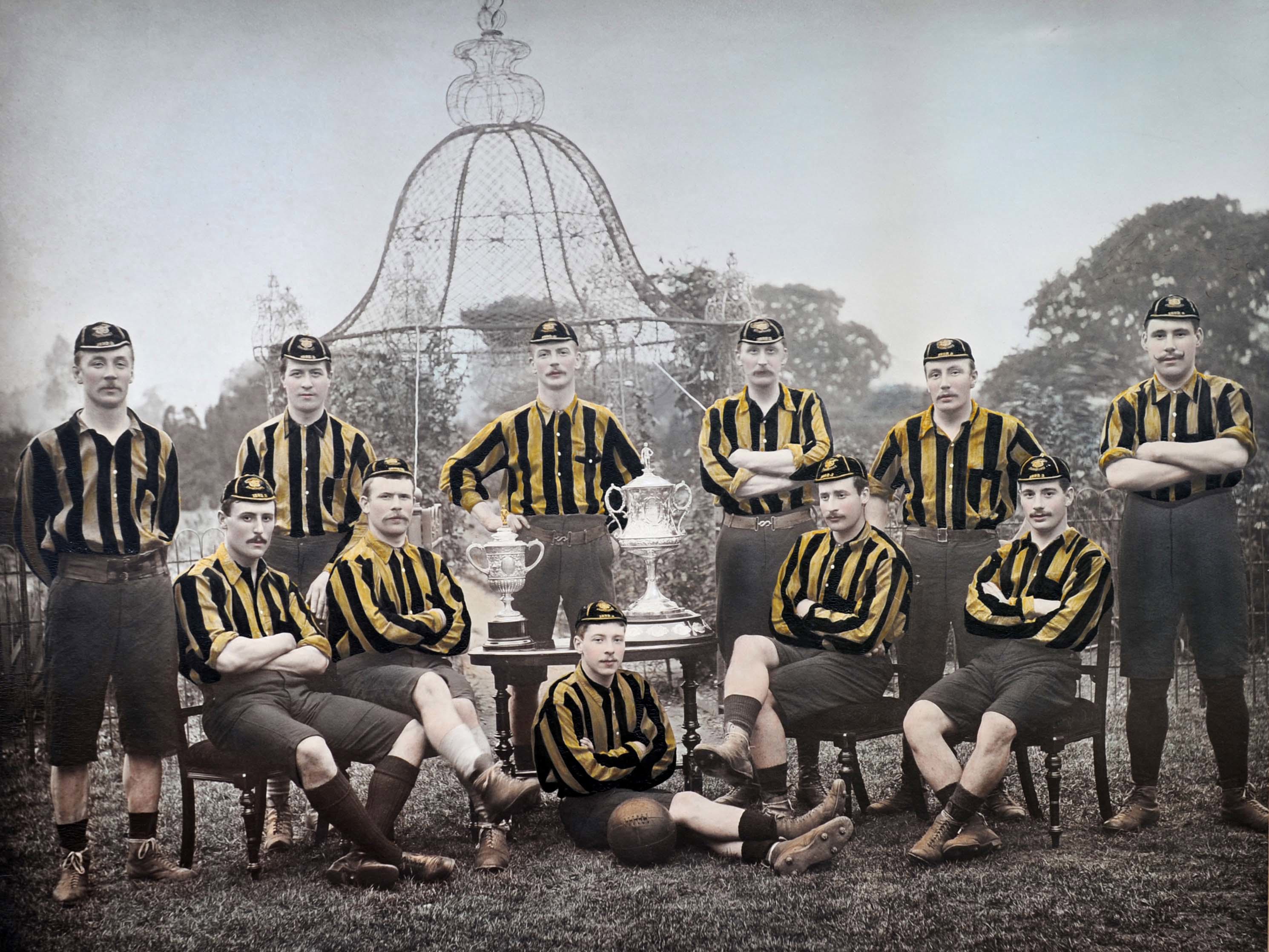
The honour of the captaincy in the 1889 FA Cup Final fell to Brodie, who skippered the side at the Kennington Oval as Wolves sadly lost to ‘the Invincibles’, Preston North End.
The next time Wolves played in an FA Cup Final was in 1893, beating Everton 1–0 at Fallowfield in Manchester, to win their first major trophy. Captain Harry Allen was the scorer that day and he goes down in history as the first ever player to lift a major trophy at Wolves. What an honour!
In our early Football League days, Allen was a mainstay in the side and solid influence before he retired in 1894 before passing away suddenly in 1895.
Early Molineux Days
Another leader of the pack who deserves a huge amount of credit is former club chairman Arthur Hollingsworth. It was Hollingsworth who first proposed moving Wolves from Dudley Road to Molineux.
When Northampton Brewery bought the site in 1889, they approached Hollingsworth, and the rest is history. With Wolves facing financial difficulties, he played a crucial role in both the relocation and efforts to address the club’s financial problems.
Back on the pitch, Wolves appeared in the FA Cup Final again in 1896, and in the three years between the two finals, we saw Hilary Griffiths lead the side for two seasons before Harry Wood took over in 1895/96 and led the side in the cup final at Crystal Palace, where Wolves lost 2–1 to Sheffield Wednesday.
Wood (pictured below, left) was a model professional and leader having played in all three of Wolves’ FA Cup finals up until this point over his two spells at the club. In 1891, he had a short spell at Walsall Swifts before quickly returning to Wolves, while also playing for England.
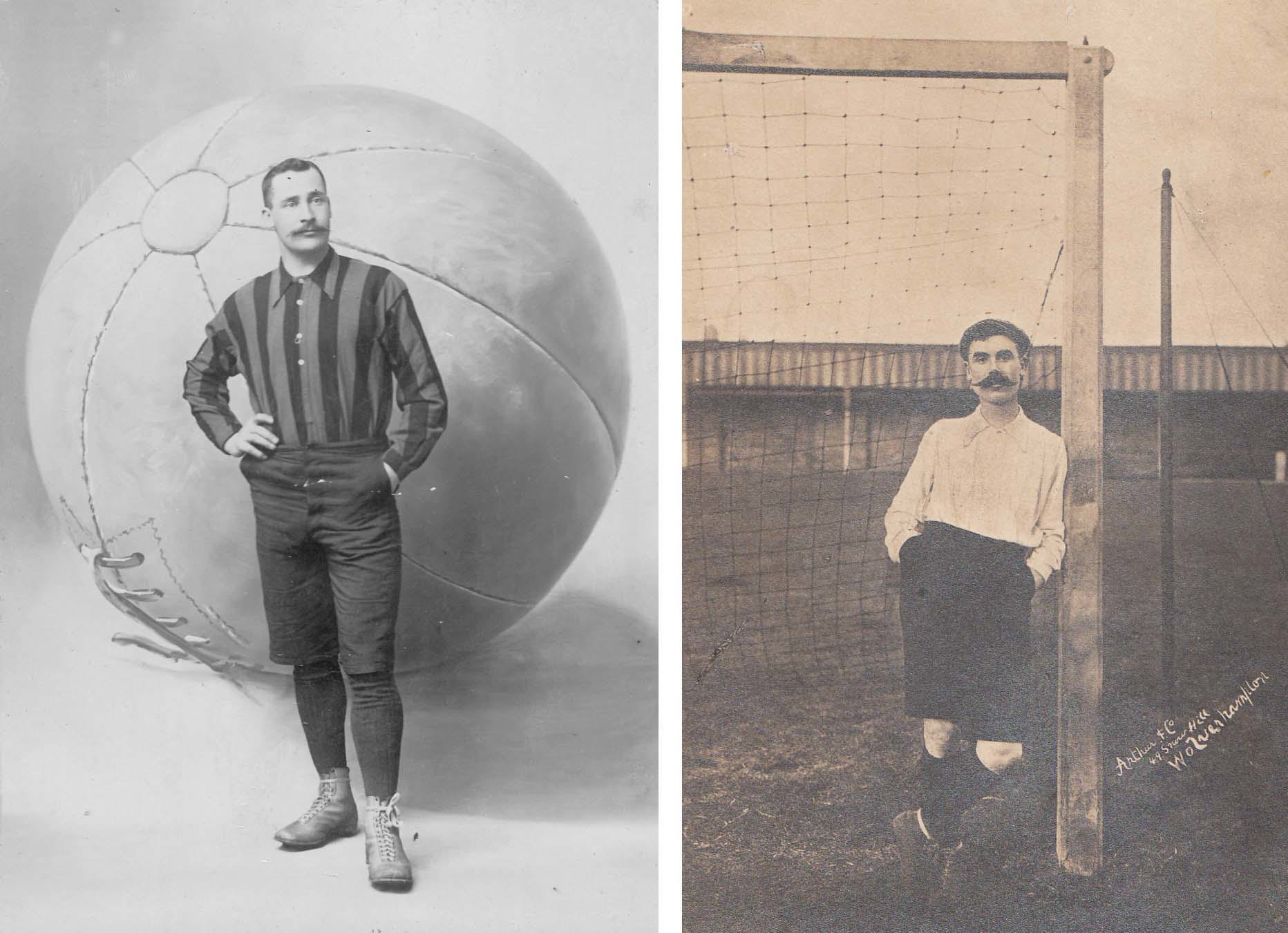
In the seasons following the 1896 cup final, other players would rise to fill the captain’s shoes including Billy Malpass, Hilary Griffiths, Billy Wooldridge and goalkeeper Tom Baddeley (pictured above, right).
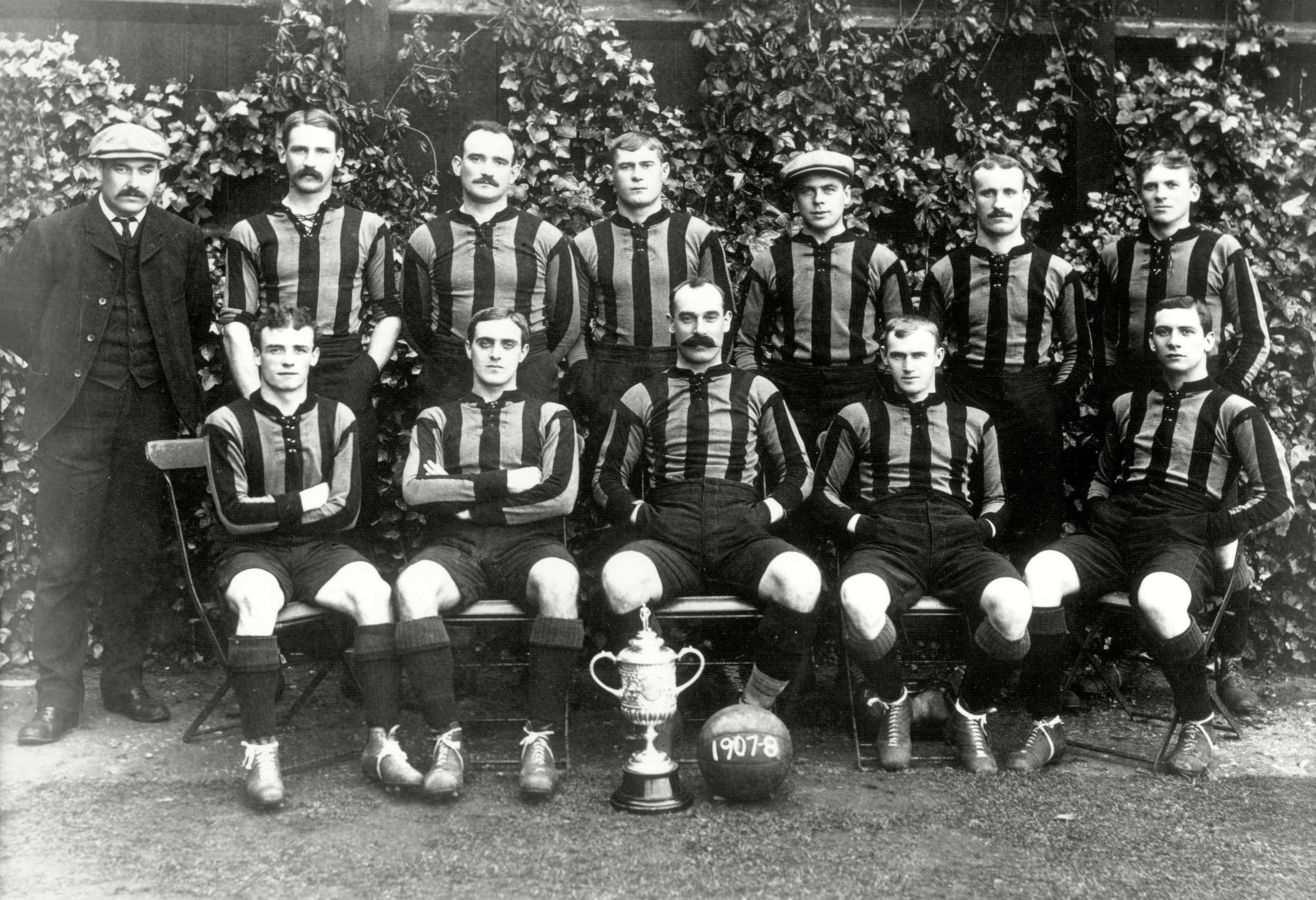
Five-time England International, Baddeley, played for Wolves 315 times between 1896 and 1907 before leaving to join Bradford Park Avenue. By the 1908 Cup Final, however, Wooldridge was the skipper of the side, with Wolves winning the cup as a Second Division side – beating the much-fancied Newcastle United – after being relegated from the top tier in 1906.
Wooldridge was a legend of his era and initially joined Wolves as a forward in January 1900. From 1906, he started to move further down the pitch, and by the time of the 1908 final, he was playing at centre-half. He would continue to captain the side until around 1911.
The next captain was a recent addition to the Wolves Hall of Fame, namely Alf Bishop, although he had been at Wolves since 1906. Bishop did so well after making his Wolves first-team debut that he deputised for Billy Wooldridge for a period. Bishop was ever-present in his first season at the football club.
Like Wooldridge, Bishop was versatile and could play in several positions and by the 1907/08 season, he played both centre-half and left-half. During the FA Cup run of 1908, Bishop suffered a broken jaw in a league game at Fulham. Although he missed five league games, he was so determined to make the cup final that he played in with the injury. He continued to skipper the side until the First World War.
Post-war years
Bishop continued as Wolves captain after the conclusion of the First World War, but only for one season, with the role being taken over by Val Gregory. Gregory was an aggressive wing-half, and in his first season as skipper, Wolves reached the 1921 FA Cup Final.
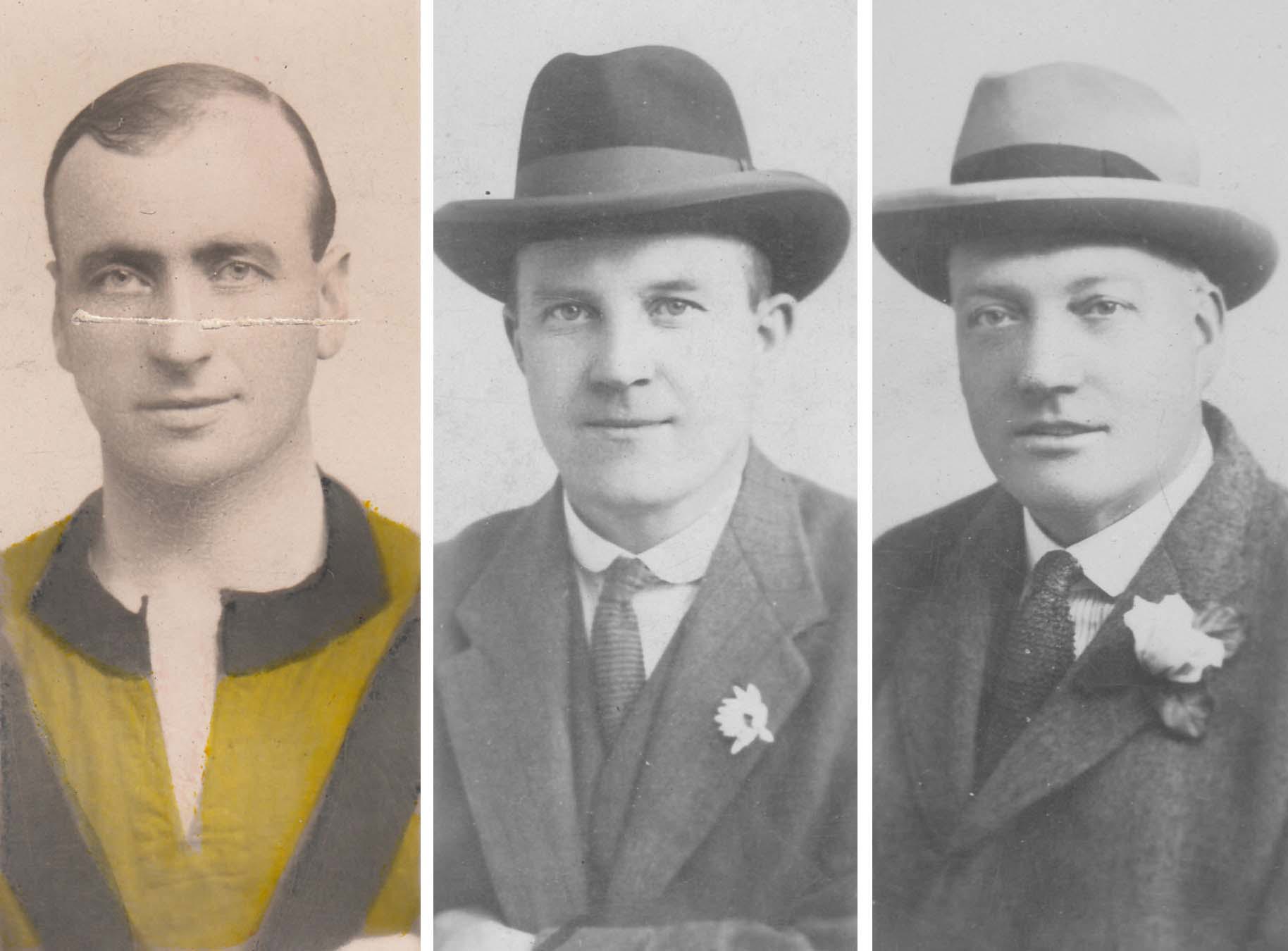
In 1922, it was George Getgood’s (pictured below, left) turn to lead the side. Sadly, his first season saw Wolves relegated and their unbroken stay in the Second Division was over, with Wolves facing the third tier of English football for the first time in the club’s history.
With the departure of manager Jack Addenbrooke, George Jobey became Wolves’ first standalone manager, with Albert Hoskins stepping into the secretary role. Jobey (pictures below, cente) was a former defender who had played for Newcastle United, Arsenal, Bradford Park Avenue, Hamilton Academical, Leicester City and Northampton Town.
The relegation could be described as a pivotal moment for the club, prompting an era of change. Wolves became a limited company for the first time, and they also purchased the freehold of Molineux, which they held until 1986.
The team also bounced back to the Second Division having won their first-ever league title at senior level by winning the Third Division North title. Getgood was therefore the first-ever Wolves skipper to lift a league-winning trophy. Getgood’s medal is now on display in the Wolves Museum, on loan from the family.
Very fittingly, it returned to Molineux in May 2024, exactly 100 years after Getgood was awarded the medal. Jobey was also the first Wolves manager ever to secure a league title at Molineux, but despite this, Jobey resigned and left Wolves, returning to the hotel business.
The following season, Albert Hoskins (pictured above, right), who had served as Jobey’s assistant, stepped up and the manager and secretary roles were combined again. Getgood remained captain, although prolific goalscorer Tom Phillipson also led Wolves on occasions.
In 2025/26, Phillipson and Jack Mitton shared the captaincy, while Fred Scotchbrook replaced Hoskins as secretary/manager in February. Mitton continued as captain the following year, and Scotchbrook left in May 1927, succeeded by a name familiar to many Wolves supporters...
We’ll delve into some of the other iconic former managers and captains who gave their all for the gold and black over the coming weeks.
Wolves historian Pete Crump’s weekly articles reflecting on a range of topics from the club’s proud past will be available throughout the 150th anniversary season on wolves.co.uk.


